PILLAR 3
Advocate for Disability Inclusive and Gender Responsive Systems and Policies
Our objective is to foster an inclusive, accountable, gender-responsive and equitable ecosystem that is responsive to the needs of CYWDs.
This pillar focuses on strengthening national and county institutions to design, deliver, and sustain inclusive and equitable systems for children and young people with disabilities (CYWDs). We work to ensure that policies, programs, and public systems are equipped with the right tools, guidance, and frameworks to respond effectively to the diverse needs of CYWDs.
By promoting gender responsive and disability inclusive approaches, we support institutions to move beyond one-size-fits-all solutions and address the intersecting barriers faced by girls, boys, and young people with disabilities. Our work encourages innovation, accountability, and long-term planning within public systems.
Through this pillar, we help establish practical programs and sustainable structures that improve service quality, strengthen coordination, and deliver lasting improvements in outcomes for CYWDs, ensuring that inclusion is embedded in systems rather than treated as an afterthought.
Achievements
Community-Based Inclusive Development (CBID) Strategy
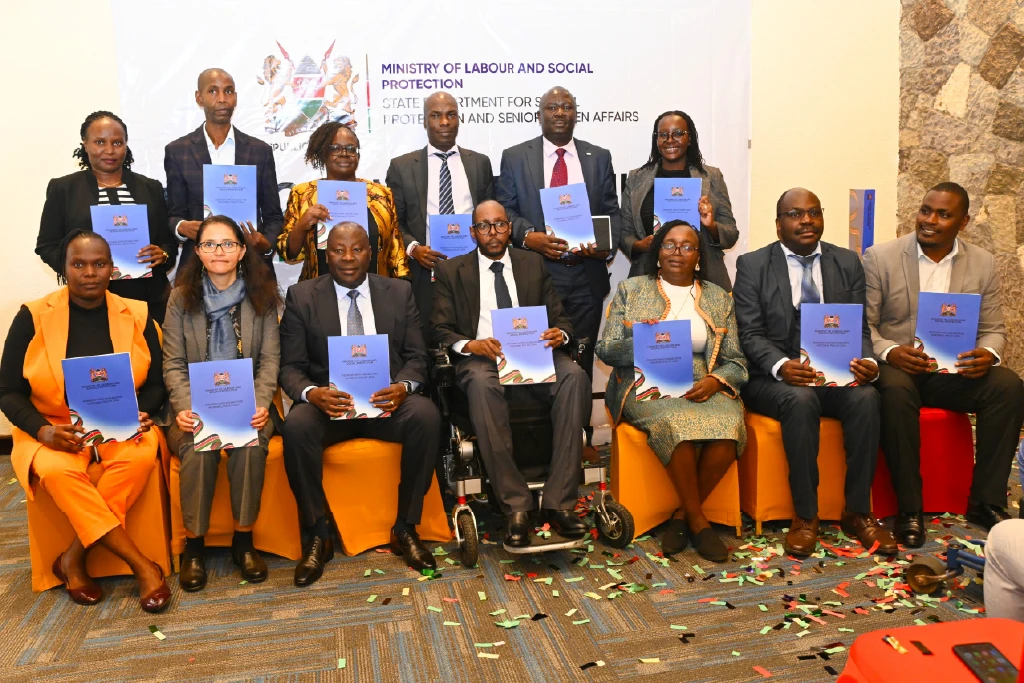
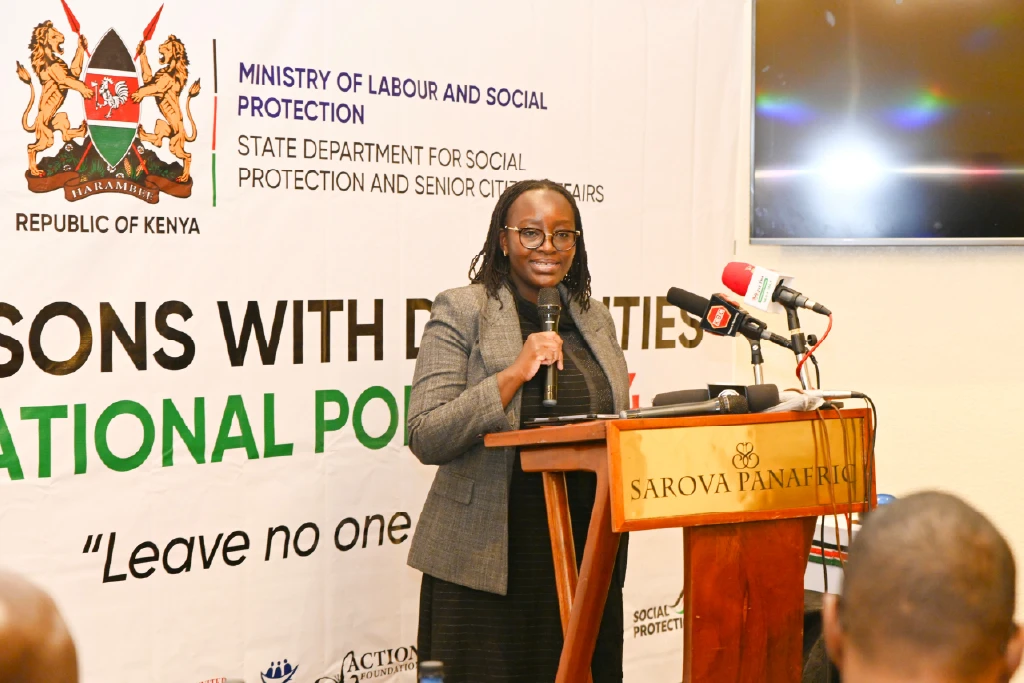
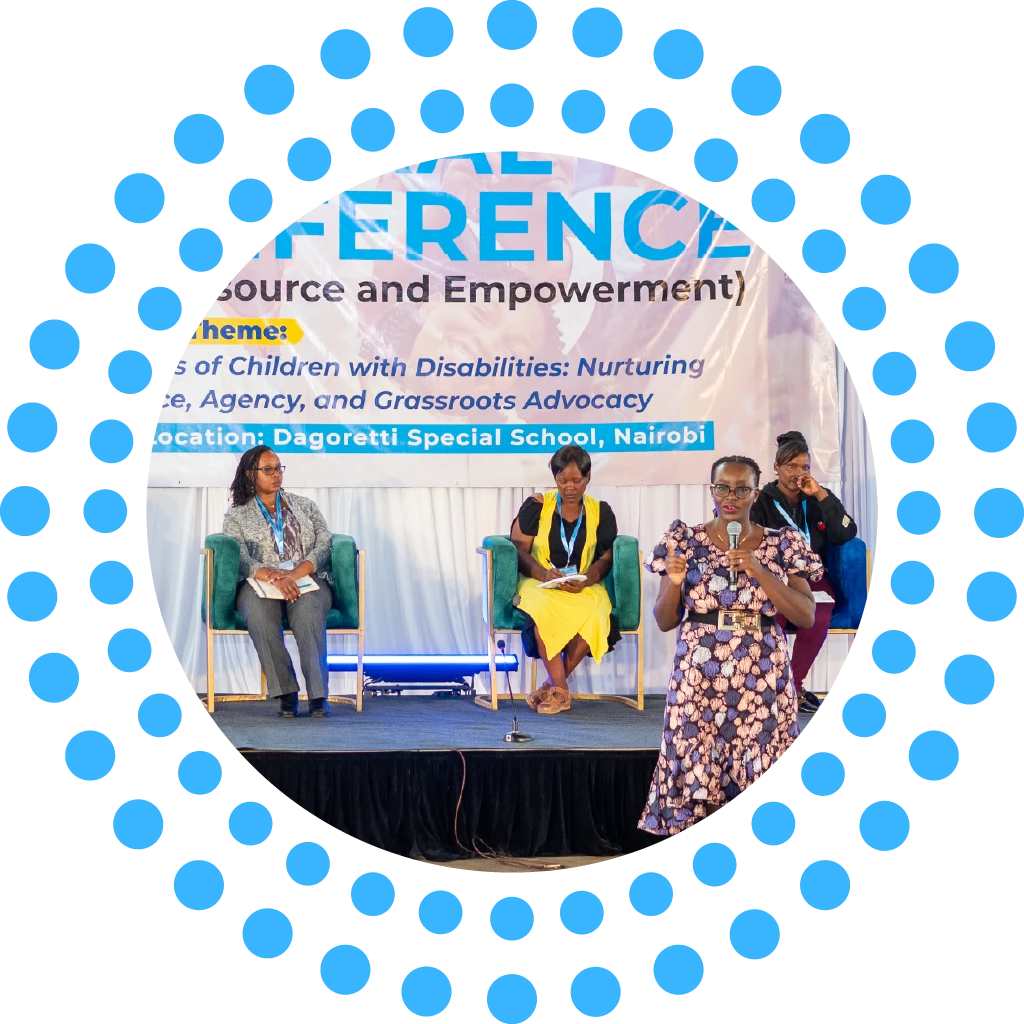
TAF supported the finalization and validation of the National Community-Based Inclusive Development (CBID) Strategy led by the Ministry of Labour and Social Protection. The strategy sets a national framework for disability-inclusive planning and service coordination at the community level.
TAF also provided technical support for county-level CBID consultations in Kajiado, Kilifi, and Murang’a. These engagements built understanding among local leaders on disability inclusion, data use and community-driven development.
Foundational Learning Guidelines
TAF participated in stakeholder forums organized by the Ministry of Education and the Kenya Institute of Curriculum Development (KICD) to integrate disability inclusion within the National Foundational Learning Guidelines. Inputs from TAF informed provisions on accessible learning environments, teacher capacity and early identification.
Health Sector Engagement
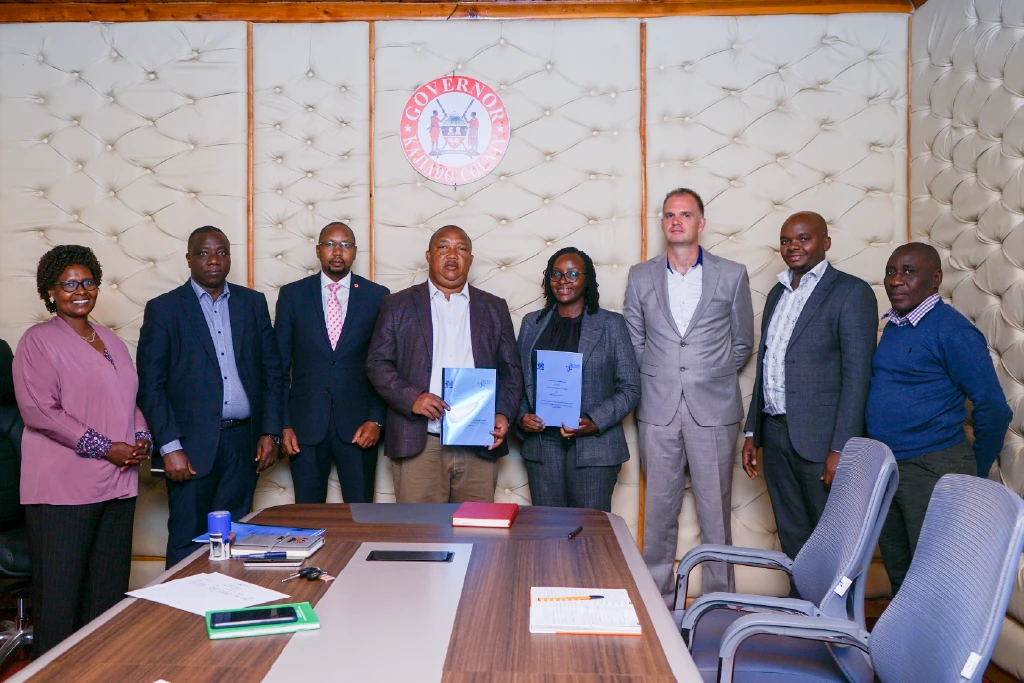
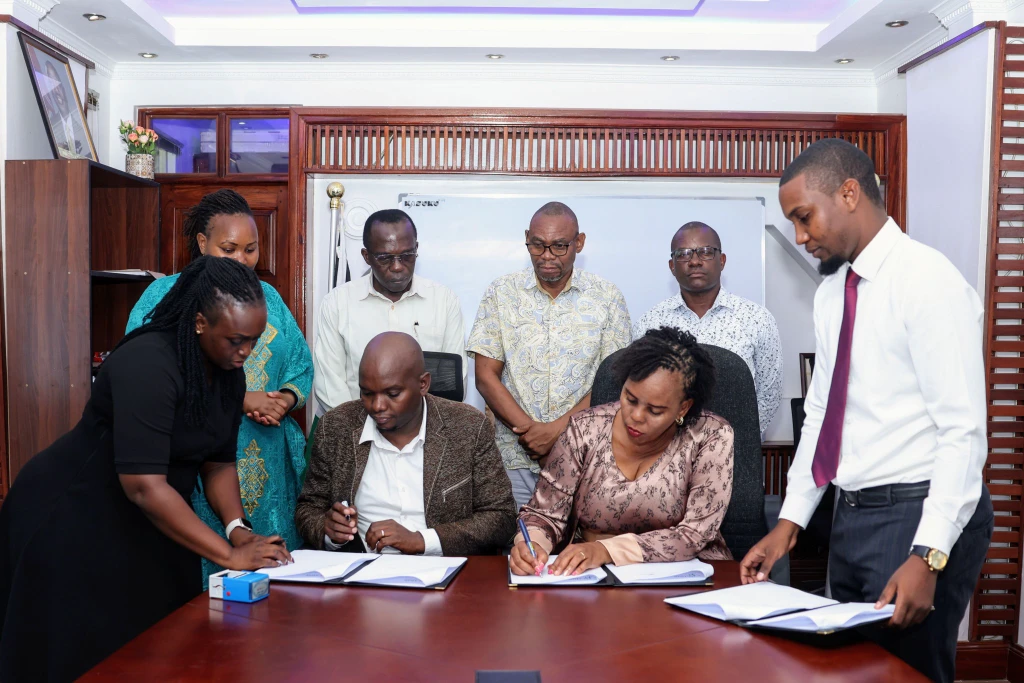
Within the health sector, TAF worked with the Nairobi City County Government to review disability inclusion within health policies and plans. The collaboration produced a draft framework for integrating rehabilitation services within primary healthcare, aligned with Kenya’s Universal Health Coverage (UHC) goals.
Data and Accountability
TAF co-hosted a validation meeting on the Routine Data Quality Assessment (RDQA) report with Nairobi County’s Department of Health. The meeting brought together 41 health officials and resulted in commitments to improve data management and reporting for rehabilitation services.