PILLAR 1
Enabling Equitable Access to Services Among Children and Youth With Disabilities
Our objective is to promote equitable access to services for CYWDs, promoting their rights, health, wellbeing, inclusion and participation.
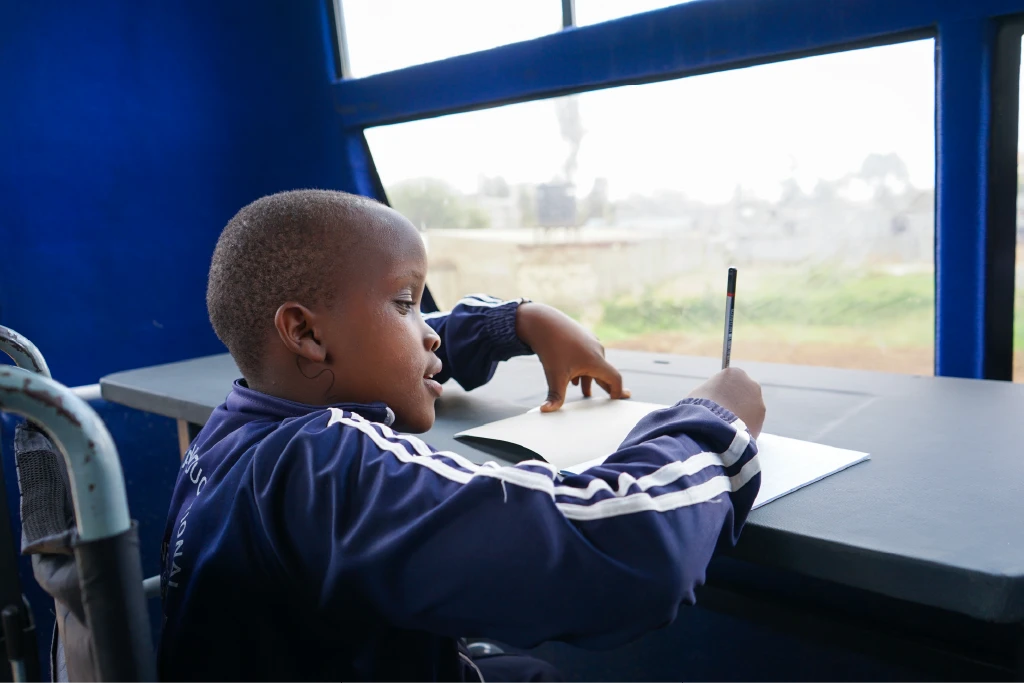
This pillar focuses on removing the barriers that prevent children and young people with disabilities (CYWDs) from accessing essential services such as healthcare, inclusive education, social protection, and livelihood opportunities. Many of these barriers are not caused by disability itself, but by inaccessible systems, negative attitudes, and unequal opportunities that exclude CYWDs from fully participating in society.
At The Action Foundation, we believe that every child and young person deserves the chance to thrive. By promoting equitable and inclusive access to critical services, we create pathways for CYWDs to develop their abilities, build confidence, and pursue their aspirations. Our work ensures that CYWDs are supported not only to survive, but to live with dignity, independence, and purpose.
Through this pillar, we empower CYWDs to realize their full potential and to actively contribute to their families, communities, and the wider society.
Program Areas
Child Health & Development
TUNZA
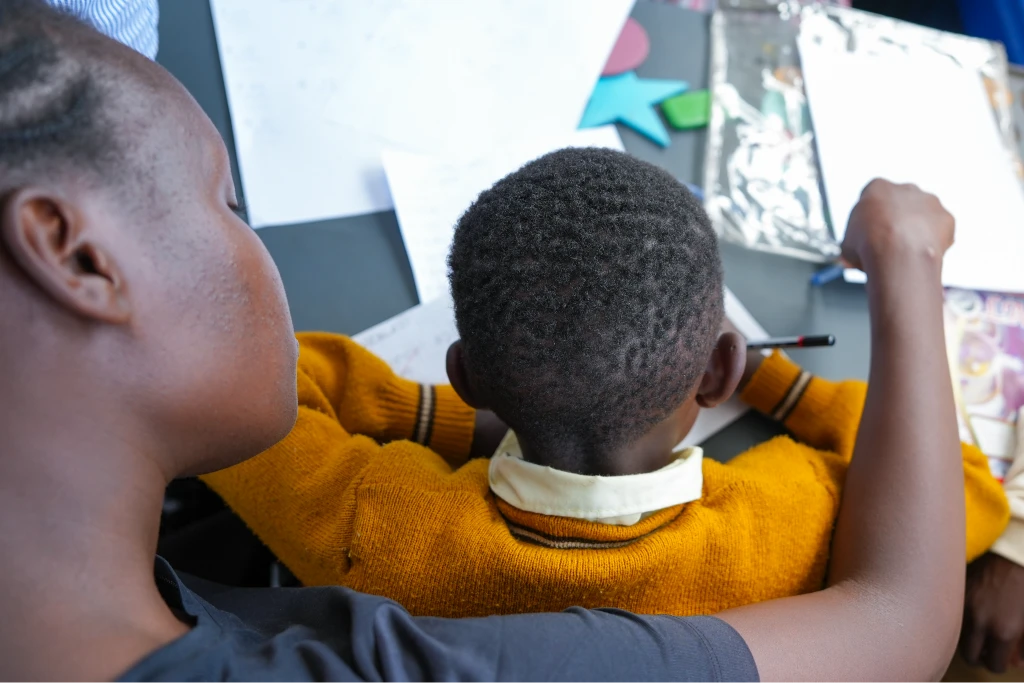
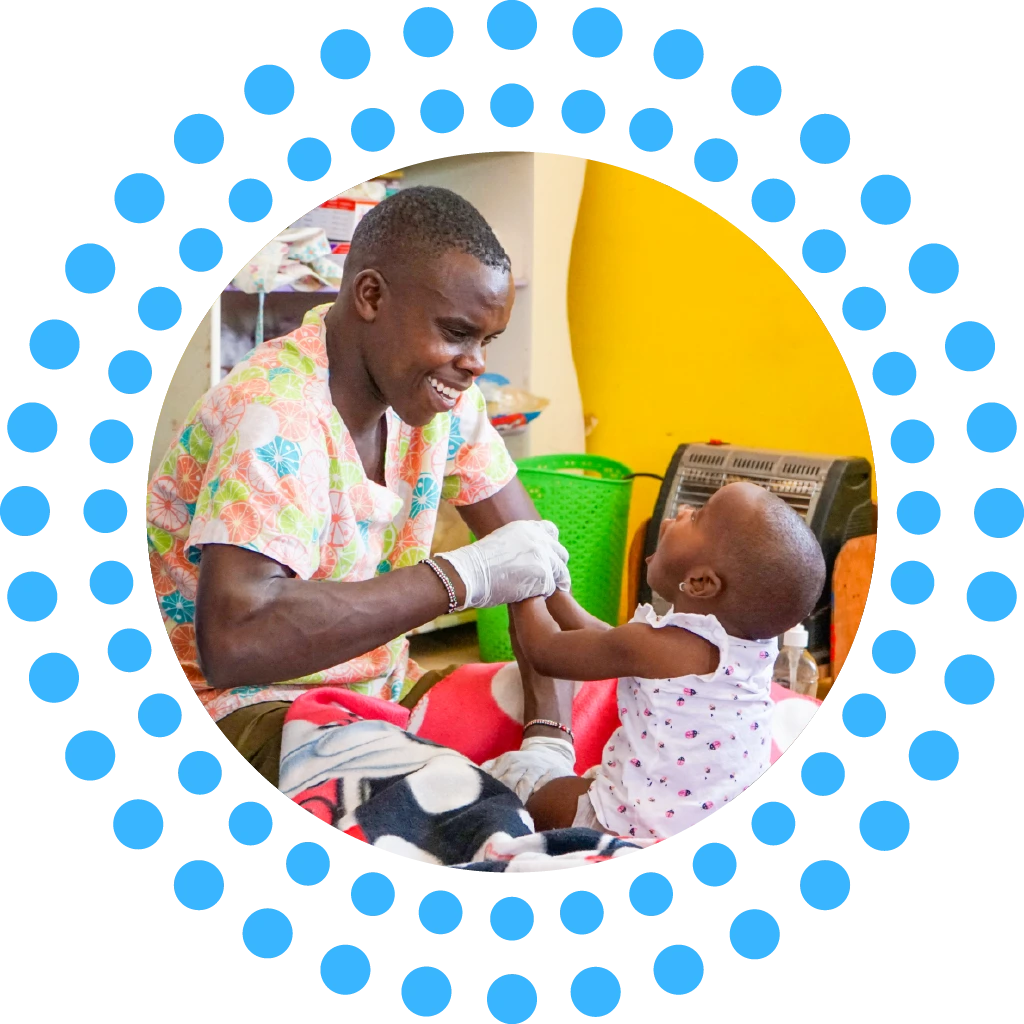
The Child Health and Development Program (Tunza) reduces preventable disabilities and provides comprehensive support to children with disabilities (CWDs) and their caregivers. It promotes responsive caregiving, inclusive health and nutrition, and strengthens community-based rehabilitation. By combining direct services with partnerships across government and community structures, Tunza ensures that children with disabilities and their caregivers access quality, inclusive health and social services.
Foundational Learning
SOMESHA
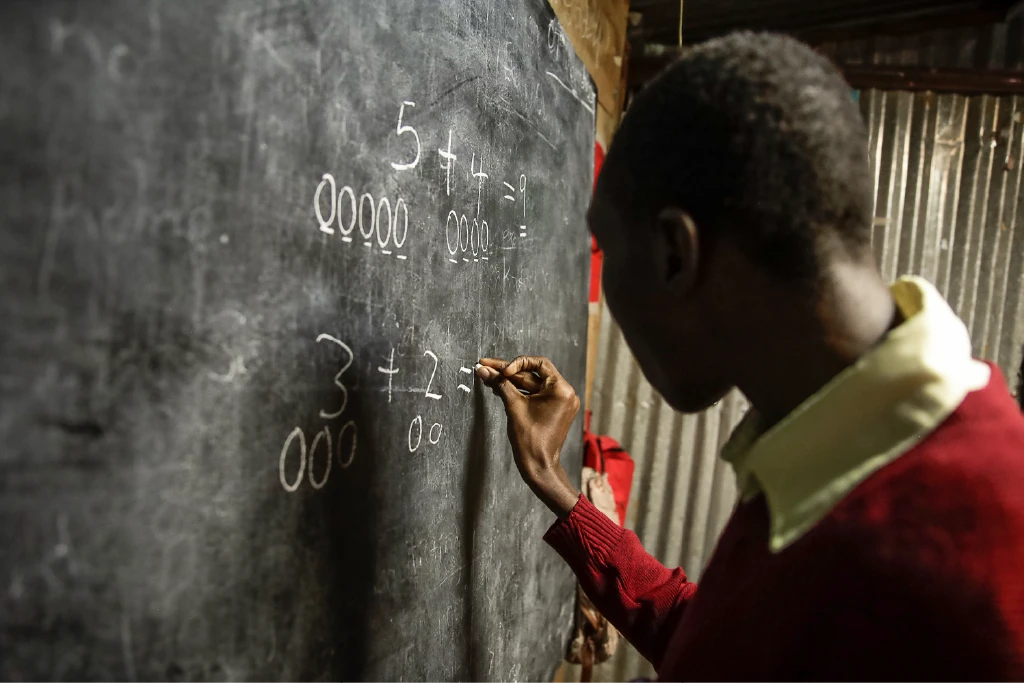
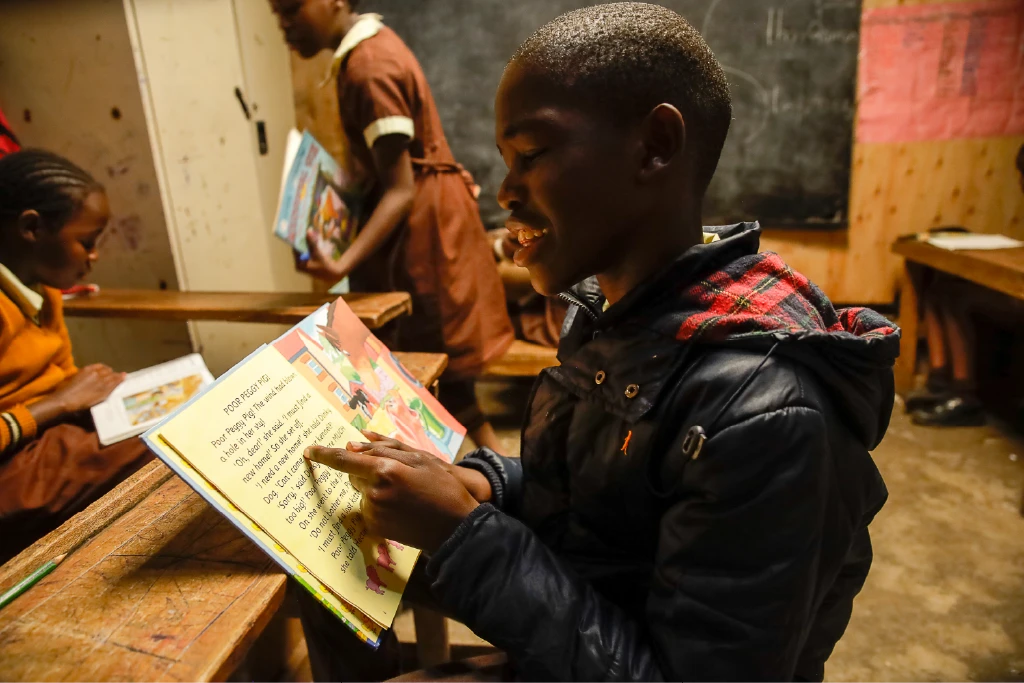
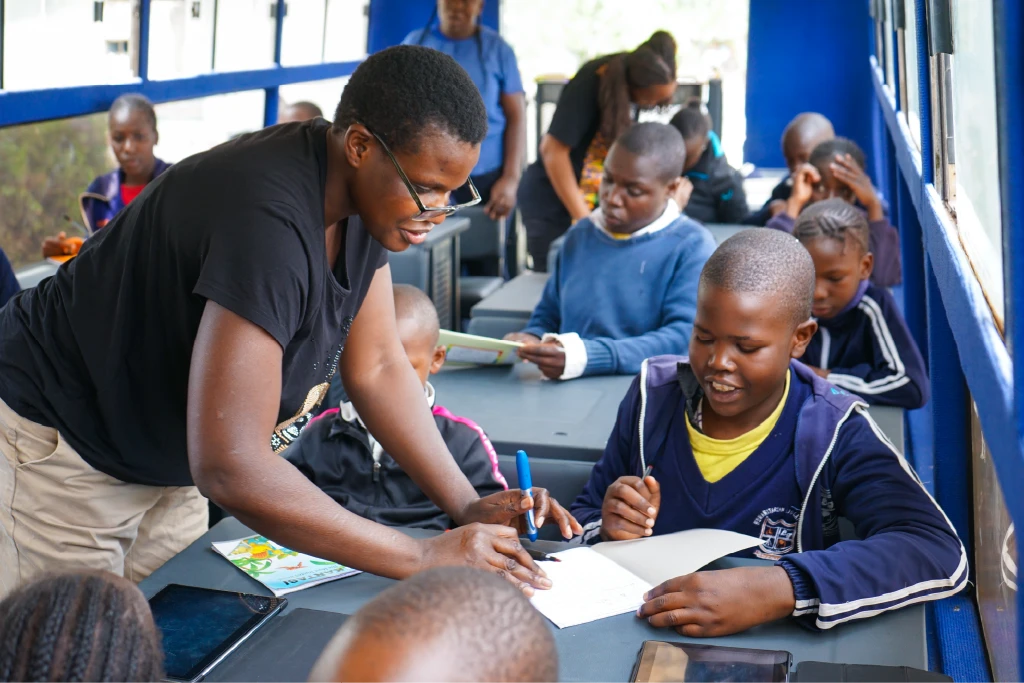
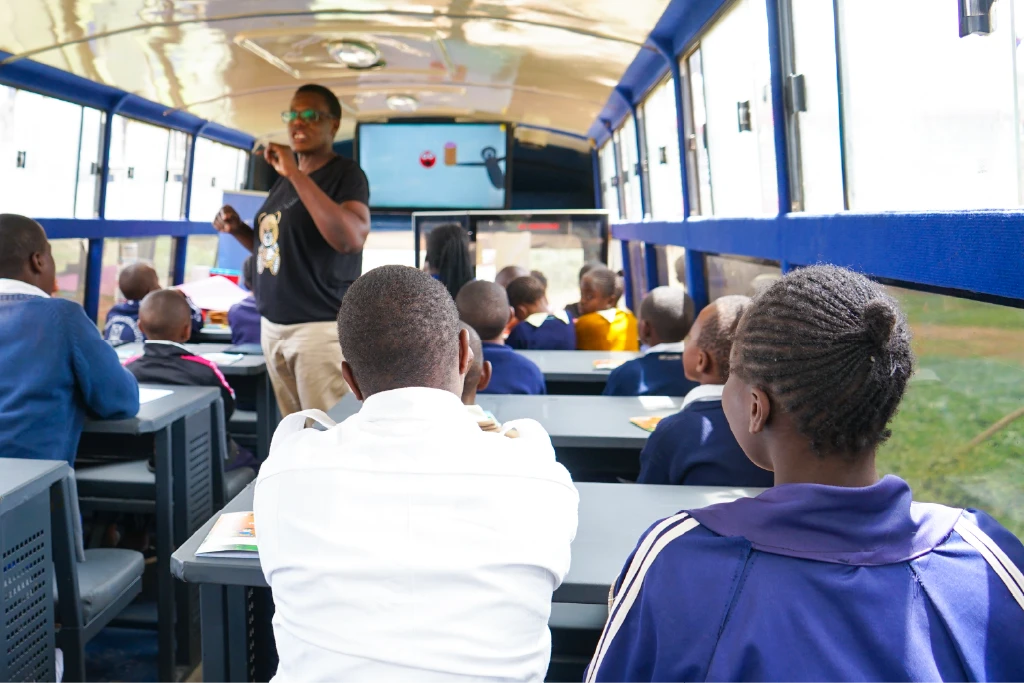
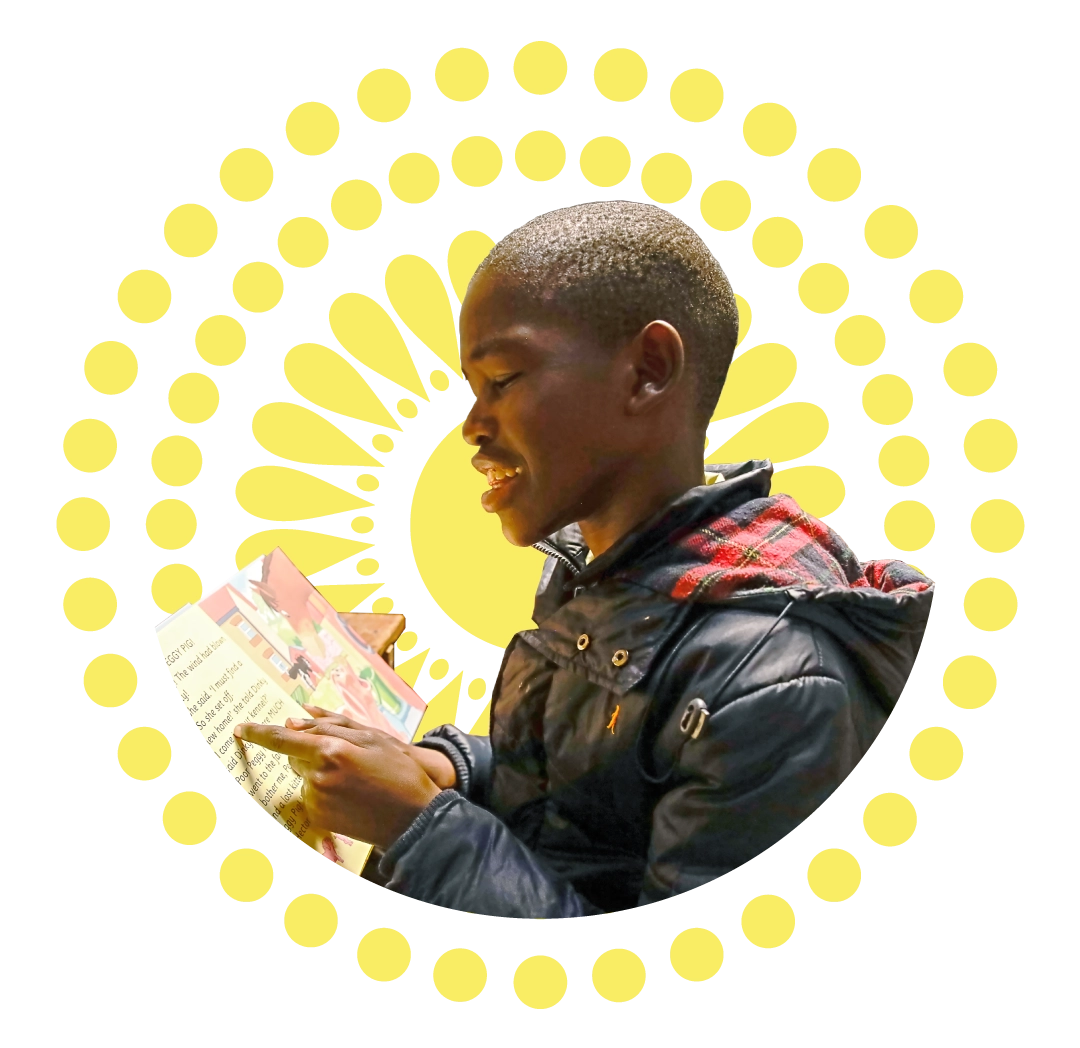
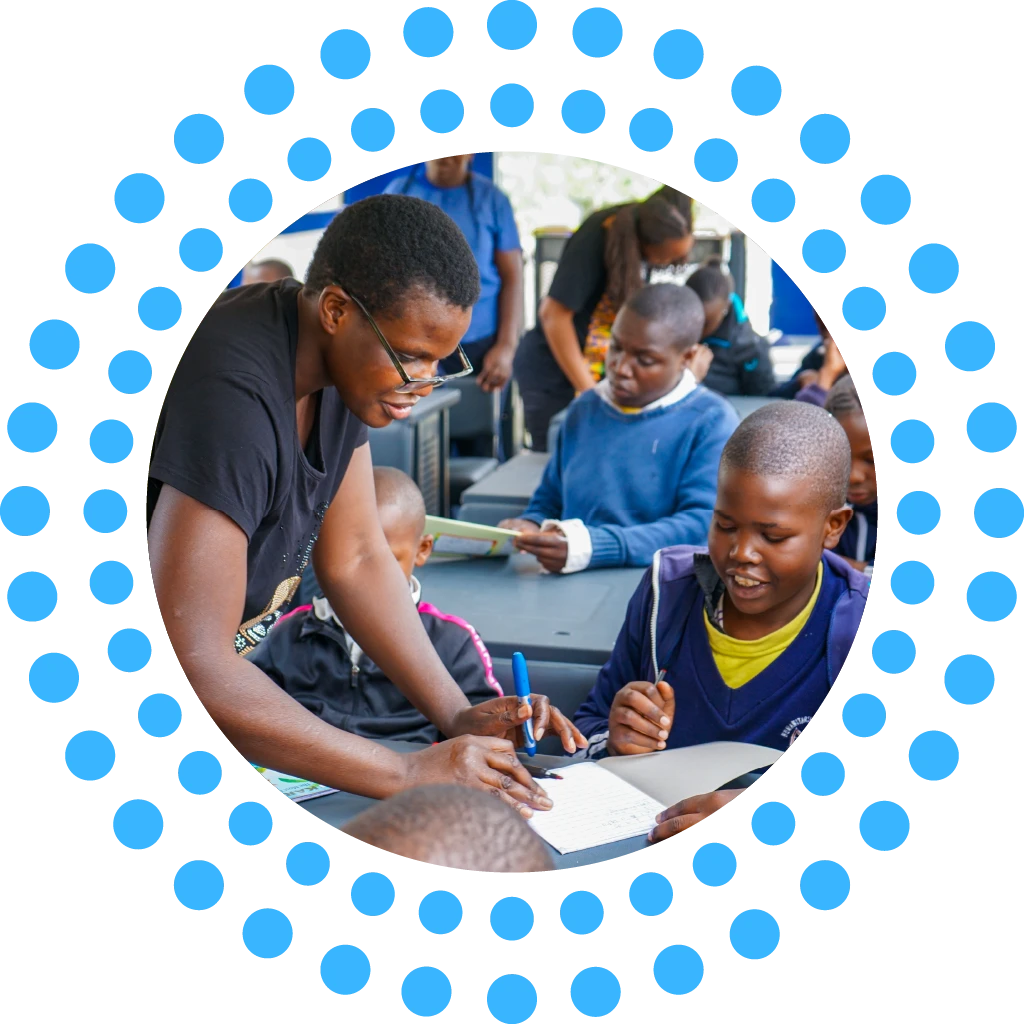
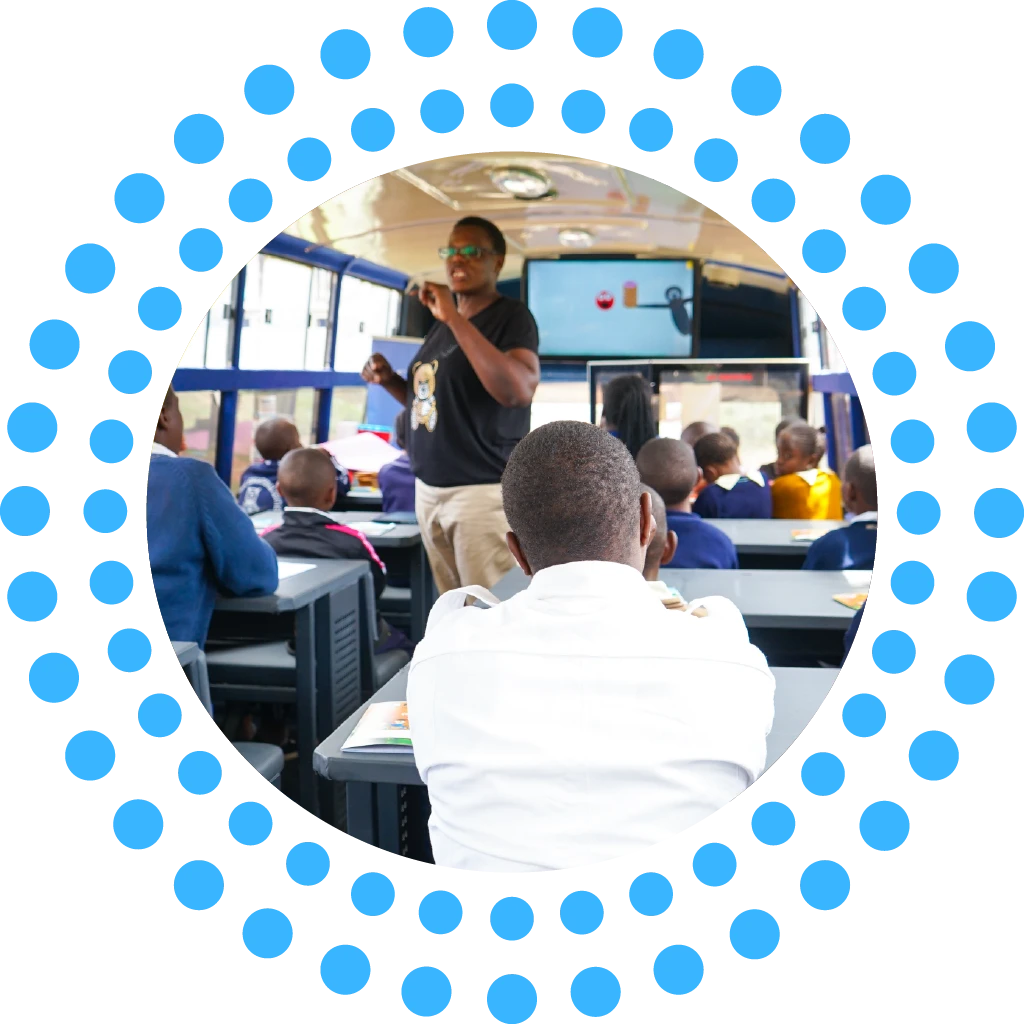
The Somesha Program promotes access to quality, inclusive education for children with and without disabilities. The program works with caregivers, teachers, and local governments to strengthen early learning environments, improve foundational literacy and numeracy, and ensure that every child has the support they need to learn and thrive.
Adolescent and Youth Power
IBUKA
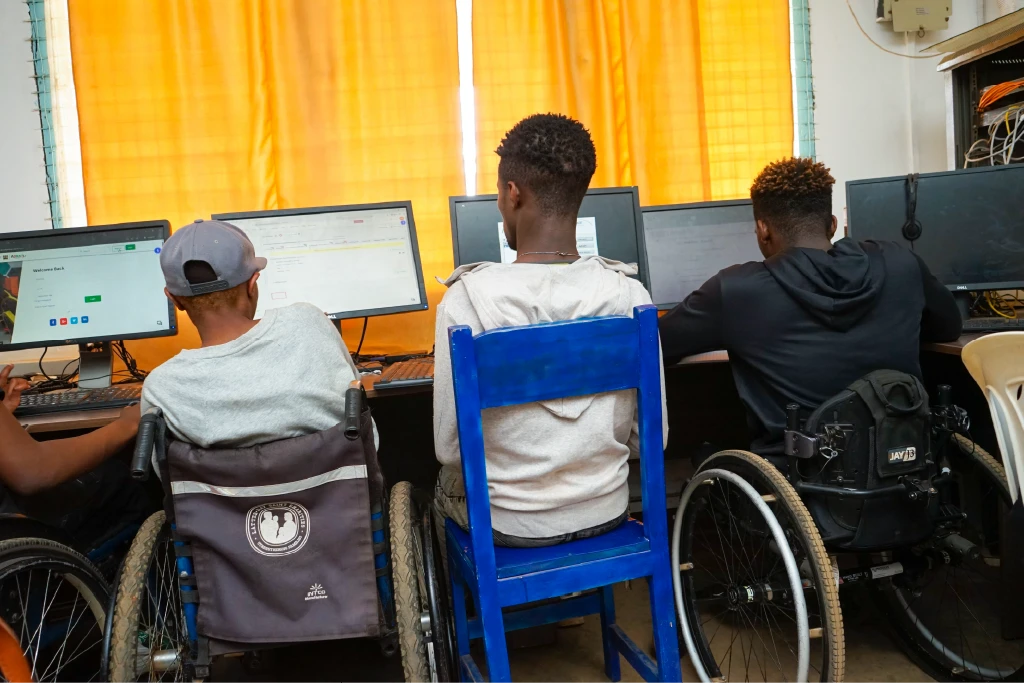
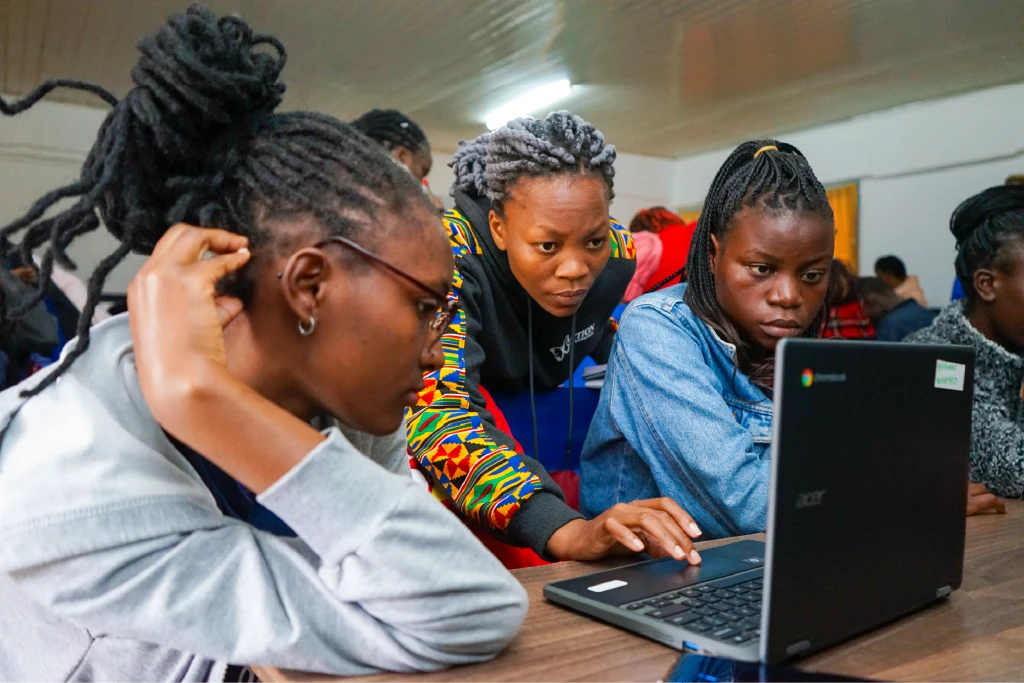
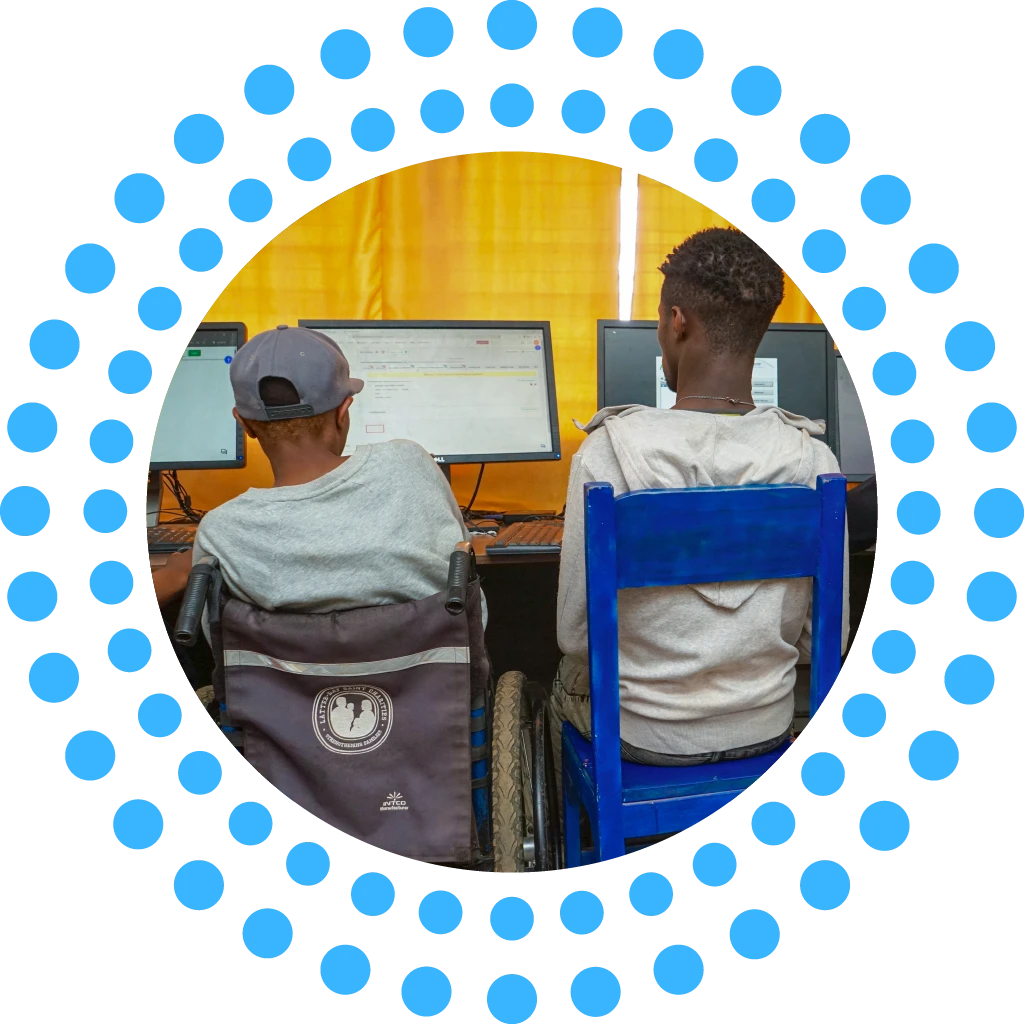
The Ibuka Program empowers adolescents and youth with disabilities to gain confidence, build employability skills, and access decent work opportunities. The program also promotes digital inclusion, mentorship and leadership development among youth aged 15–25.
Achievements
Community Health Promotion: TAF trained and engaged 621 community health promoters on disability identification, referral, and individualized rehabilitation plans in Kajiado and Nairobi Counties, equipping them with skills to identify, refer, and support children with disabilities while strengthening the connection between families and health systems.
Disability Prevention through MNCH: TAF has reached 484 mothers across 14 health facilities in Nairobi and Kajiado Counties and an additional 45,150 caregivers through community outreaches, CARE groups, and household visits, strengthening maternal, newborn and child health (MNCH) as a frontline strategy for preventing disabilities and promoting early developmental milestones.
Integrated Medical, Educational and Disability Assessment Outreaches (One Stop Shop): Through comprehensive community-based assessments, TAF screened and supported 2,460 children and youth with disabilities across Nairobi, Kajiado, and Kilifi Counties, ensuring early identification of needs, National Council for Persons With Disabilities (NCPWD) registration, Social Health Authority (SHA) registration, nutritional screening and linking beneficiaries to essential health services, education, and social protection pathways.
71 CARE (Caregiver Awareness Resource and Empowerment) support groups have been established in Nairobi and Kajiado Counties, empowering 574 caregivers with skills in home-based therapy, responsive caregiving through a nurturing-care lens, disability care, and psychosocial resilience, while fostering peer networks for mutual support.
Decentralization of Rehabilitative Services: In Dagoretti North Sub-County, home to 281,340 residents across five wards and 70 facilities, TAF partnered with Nairobi County to establish the Riruta Hospital Rehabilitative Unit. This unit decentralizes physiotherapy, occupational therapy, and psychosocial support, reducing travel burdens, increasing therapy capacity, and providing timely, family-centered interventions. It now serves as a sustainable anchor for early intervention, improving access, promoting equity, and strengthening the local health system for inclusive, quality care.
Foundational learning: The Action Foundation reached 10,998 learners, with and without disabilities, across 67 schools in Kajiado and Nairobi Counties by strengthening inclusive early learning environments. Learners were supported through inclusive teaching practices, improved access to learner-friendly materials, and classrooms that respond to diverse learning needs. These efforts enabled children, including those with disabilities, to build strong foundational literacy and numeracy skills while learning in safe, supportive, and inclusive school settings.
Teacher Capacity Building: TAF has delivered inclusive pedagogy training to over 500 teachers across Nairobi, Kajiado, Wajir, Marsabit, and Samburu Counties, equipping educators with the skills, tools, and confidence to support learners with diverse needs and to improve access, participation, and learning outcomes in classrooms.
STEM learning: The Action Foundation supported 10,000 learners with disabilities, including 30 percent of girls with disabilities, across 35 special secondary schools by expanding access to inclusive STEM learning opportunities. Learners were engaged through adapted STEM resources, practical learning approaches, and supportive school environments that encouraged participation, curiosity, and skills development in science, technology, engineering, and mathematics.
Digital and Employability Skills: 835 young women with disabilities empowered through training, coaching, and mentorship on digital and employability skills, with at least 90% completing the program. Notably, 76% created an online work account, demonstrating strong adoption of digital skills, and 76% reported feeling confident in applying what they learned.