PILLAR 2
Knowledge Generation for Data Driven Decision Making
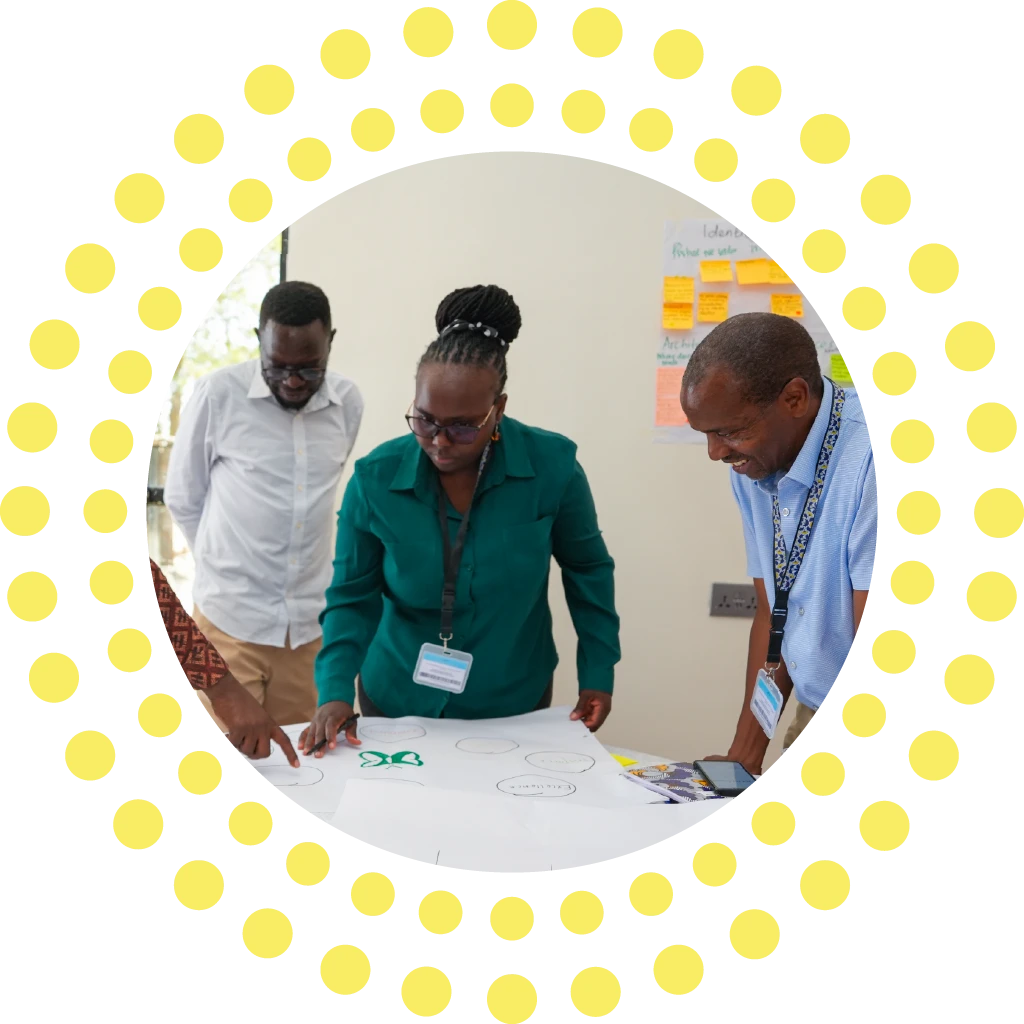
Our objective is to strengthen data tools & systems to drive disability-inclusive decision making, accountability & effective monitoring of services for CYWDs.
This pillar centers on generating, using, and sharing evidence to drive inclusive, effective and accountable action for children and young people with disabilities (CYWDs). We believe that lasting change must be guided by accurate data, lived experiences, and evidence that reflects the real barriers CYWDs face in accessing services and opportunities.
The Action Foundation collects, analyzes, and shares disability disaggregated data to deepen understanding of gaps, challenges, and promising practices across health, education, social protection, and livelihoods. This evidence informs our programs, strengthens service delivery, and ensures that our interventions respond to the most urgent and impactful needs.
By working closely with government ministries, departments, agencies, and strategic partners, we help develop robust, inclusive metrics that track progress and impact. Through evidence-based advocacy, we use data not just to measure change but to influence policies, improve systems, and amplify the voices of CYWDs, ensuring that decisions affecting their lives are informed, inclusive, and sustainable.
Achievements
Tunza Program Evaluation
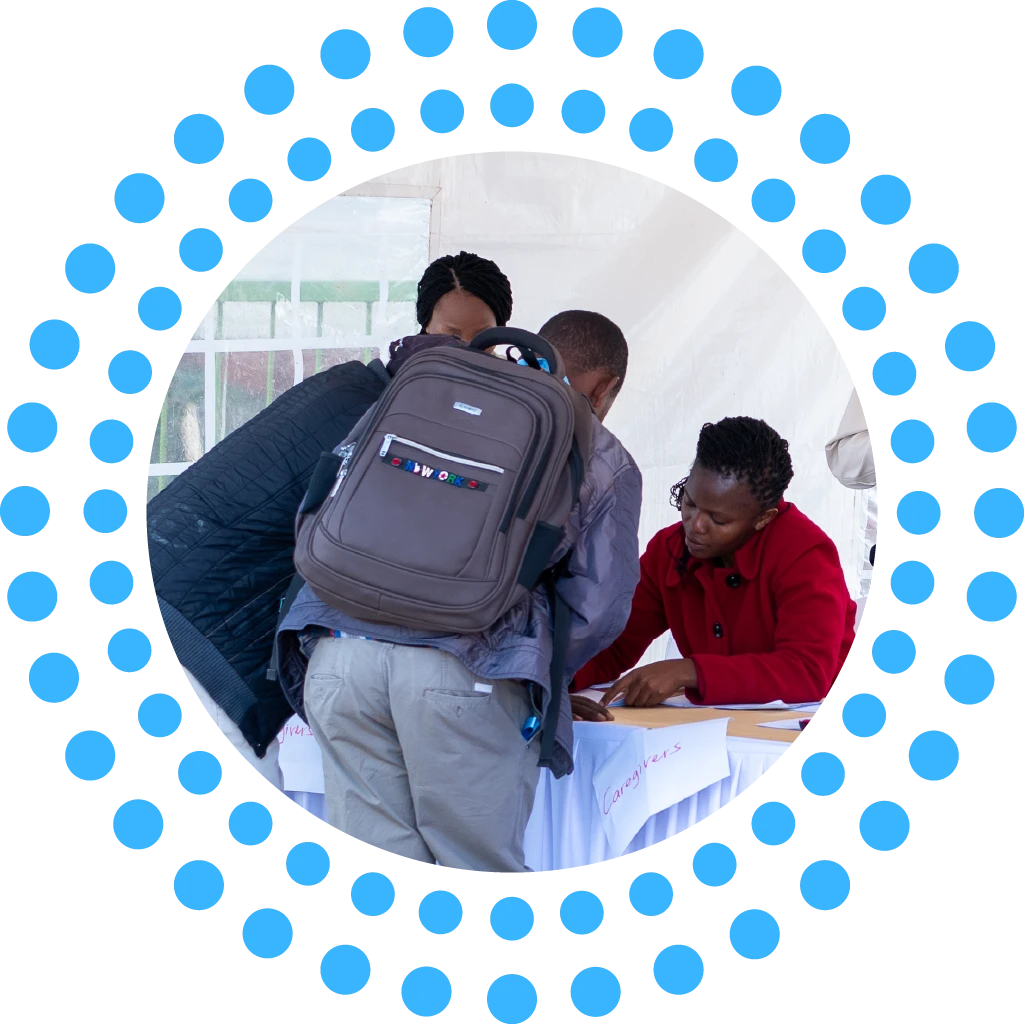
TAF under the Tunza Program in Nairobi County carried out an evaluation of Tunza. The specific objectives of the evaluation were to (i) evaluate the developmental milestones of 1050 CWDs and their caregivers using standardized pathway checklist developmental milestone assessment tools (ii) assess the quality of life of these children and their caregivers utilizing the WHOQOL-BREF (iii) assess household economic status using street business school (SBS) tools (iv) analyse the collected data to identify trends, gaps, and areas for improvement in current rehabilitation services; and (v) provide actionable recommendations to enhance the well-being and developmental outcomes of CWDs and their caregivers.
The evaluation considered all project interventions over the period from January 2020 to December 2024. The evaluation was conducted in Nairobi County, covering TAF centres and government facilities. A total of 441 caregivers responded to a questionnaire, while 23 key informants were interviewed, and 6 focus group discussions were held.
The evaluation results showed that 86% of children accessed therapy (occupational, physical, speech), 74 CARE groups strengthened caregiver skills, and 25.7% of caregivers improved home-based learning practices. Despite progress, gaps remain in medication (70%), mental health support (65.6%), and assistive devices (53%), informing actionable strategies to enhance inclusive, sustainable rehabilitation and early learning services.
Full Report
Play-Based Learning Through Storytelling to Improve Numeracy Outcomes in Africa Project Evaluation
The Play-Based Learning Through Storytelling to Improve Numeracy Outcomes in Africa (2024–2025) enhanced foundational numeracy for 320 learners across 10 schools in Kenya and Malawi. The project aimed to improve learner engagement, comprehension, and problem-solving while strengthening teacher instructional practices.
Thirteen Grade 2 teachers received training in storytelling, direct instruction, and formative assessment, with two schools serving as controls. Across eight intervention schools, 260 learners participated, compared to 60 learners in two control schools. Curriculum-aligned stories were incorporated into daily math lessons, supported by workshops, classroom coaching, and ongoing feedback.
The evaluation assessed the feasibility, acceptability, and impact of integrating storytelling into mathematics instruction for learners with and without disabilities. Using a mixed-methods approach, it combined quantitative assessments of numeracy performance and engagement with qualitative insights from classroom observations, teacher interviews, and learner surveys. Teachers participated in 13 training sessions and continuous coaching, resulting in 38-point score gains, a 76% increase in learner engagement, and significantly higher confidence in math.
Challenges identified included large class sizes, limited teaching resources, and digital access constraints. Despite these, the project demonstrated that storytelling is an effective and inclusive instructional method for strengthening foundational numeracy skills and enhancing learner confidence in mathematics in both Kenya and Malawi .
Full Report
Ibuka STEM Evaluation
The Ibuka Girls in STEM Project (2021–2024) expanded STEM opportunities for girls with disabilities in 35 special and integrated schools across 25 counties in Kenya through mentoring, teacher training, and the provision of STEM resources.
An endline evaluation conducted in October 2025 assessed the project’s outcomes, lessons learned, and impact. A total of 227 learners participated in the survey, achieving a response rate of 109% relative to the target sample size. Additionally, 28 key informants, including head teachers, focal point teachers, and Ministry of Education officers, were interviewed. Confidentiality and participants’ privacy were strictly maintained.
The study found that enrolment and retention of girls with disabilities in STEM subjects increased by 92% in participating schools, while nearly three-quarters (72%) of learners reported heightened interest in STEM. Teachers reported improved communication and presentation skills (100%), greater learner agency and confidence (77%), and enhanced cognitive skills (77%). Most learners (88%) reported improved decision-making regarding future studies or STEM careers. The least reported outcome was learners creating community-driven innovations (38%).
The evaluation demonstrates the project’s effectiveness in strengthening learner engagement, skills development, and aspirations, providing actionable insights to guide future STEM programming for girls with disabilities.
Full Report